برامج دعم المرضى (PSP) في مصر: دليل عملي شامل

الإجابة المختصرة
كيف ترفع برامج دعم المرضى (PSP) معدلات التزام مرضى الأمراض المزمنة في مصر، ما الخدمات التي تشملها، وكيف تتعاون شركات الأدوية مع هوسبيتاليا.
تسد برامج دعم المرضى (PSP) الفجوة بين الوصفة الطبية والنتيجة العلاجية. في مصر حيث تتطلب الأمراض المزمنة مثل السكري والكبد الوبائي والأورام التزاماً طويل الأمد، توفر هذه البرامج ممرضين ومستشارين وخدمات منزلية تحافظ على استمرار المريض في العلاج.
تبني أو تراجع برنامج دعم مرضى لعلامة دوائية؟ دليل الوصول للسوق يغطي الاقتصاديات ومؤشرات الأداء والجدول الزمني للإطلاق بالتفصيل.
اقرأ دليل تأسيس أو إسناد برامج دعم المرضىالأسئلة الشائعة
ما هو برنامج دعم المرضى PSP؟
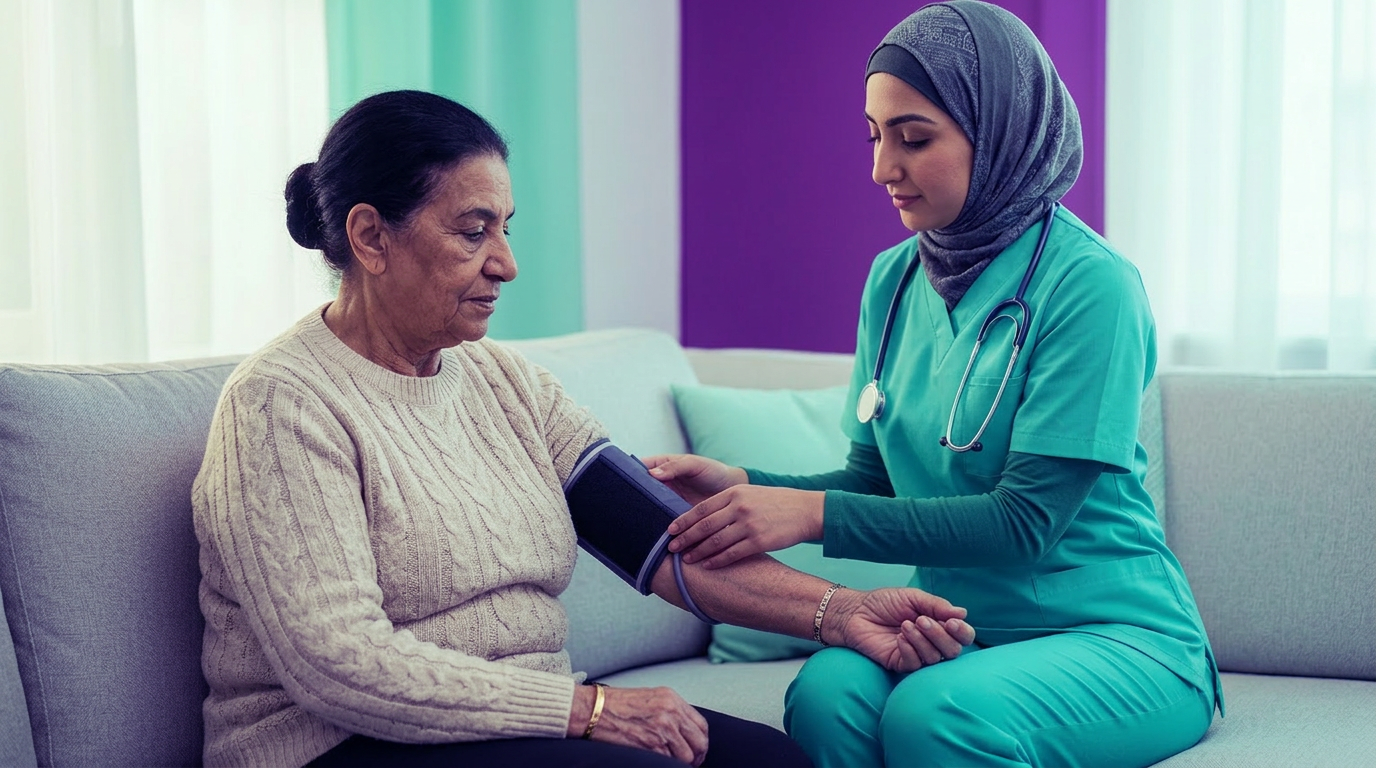
هو برنامج منظم تموله غالباً شركة أدوية لدعم المرضى على علاج معين عبر التثقيف، إعطاء الحقن في المنزل، تذكيرات الالتزام، إدارة الأعراض الجانبية، وخط ساخن للممرضين 24/7.
لماذا تعد برامج PSP ضرورية في مصر؟
تشير الدراسات المصرية إلى أن 40–60% من مرضى الأمراض المزمنة لا يلتزمون بعلاجهم. ترفع برامج PSP معدلات الالتزام إلى أكثر من 85%، مما يقلل دخول المستشفى ويُحسن النتائج — خاصة في السكري، التصلب المتعدد، الكبد، الأورام، والإخصاب المساعد.
ما الخدمات التي يشملها برنامج PSP في هوسبيتاليا؟
تسجيل المرضى وتثقيفهم، توصيل الحقن منزلياً، متابعة العلامات الحيوية، إدارة الأعراض الجانبية، تذكيرات تجديد الأدوية، متابعات عن بُعد، جمع بيانات العالم الحقيقي، وإبلاغ اليقظة الدوائية — كل ذلك عبر ممرضين مدربين.
هل بيانات المريض آمنة داخل البرنامج؟
نعم. تعتمد منصة هوسبيتاليا على تشفير قوي وموافقة المريض على مشاركة البيانات وفقاً لقانون حماية البيانات الشخصية المصري ومتطلبات اليقظة الدوائية لشركات الأدوية.
كيف تطلق شركات الأدوية برنامج PSP مع هوسبيتاليا؟
نتعاون مع الفرق التسويقية للشركات لتصميم برامج مخصصة تشمل الممرضين، المنصة التقنية، لوحات التقارير، والامتثال التنظيمي. وعادة ما تنطلق البرامج التجريبية خلال 60–90 يوماً.