Diabetes Management in Egypt: How Digital Support Programs Are Changing the Patient Journey
Quick answer
Most diabetes care happens between appointments. Here is where the patient journey breaks down in Egypt and how structured digital and nurse support fills the gaps.
The IDF Diabetes Atlas places Egypt among the countries with the highest number of adults living with diabetes. For most of them, the condition is managed not in hospital but at home — through daily medicine, diet, glucose checks and periodic tests.
That is exactly where gaps appear. Support programs that combine a nurse coordinator with simple digital check-ins are designed to close them.
Where the diabetes journey usually breaks
- Lab follow-up gaps: HbA1c, kidney function and lipids are delayed for months.
- Insulin difficulties: injection technique, storage, fear of hypoglycaemia.
- Foot care neglect: small wounds are noticed late.
- Lifestyle advice that is generic rather than adapted to Egyptian meals and routines.
How a nurse-coordinator model works
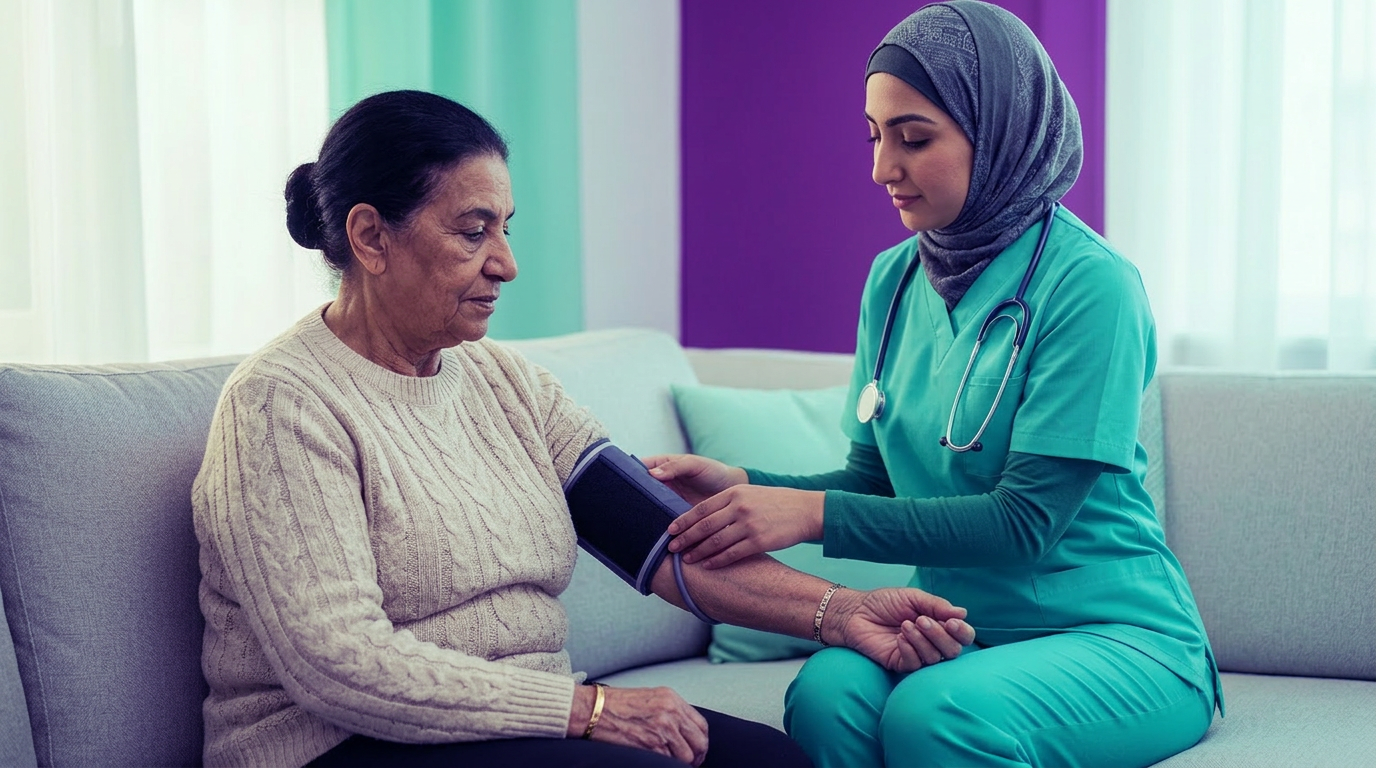
A named nurse coordinator becomes the patient's point of contact. The coordinator follows the physician's plan, checks readings, reinforces education and escalates concerns — without replacing the doctor.
Digital check-ins that fit Egyptian patients
Complex apps often go unused. Short WhatsApp or phone check-ins, simple reading logs and reminders before lab tests are usually more realistic, especially for older patients and caregivers.
An anonymised journey example
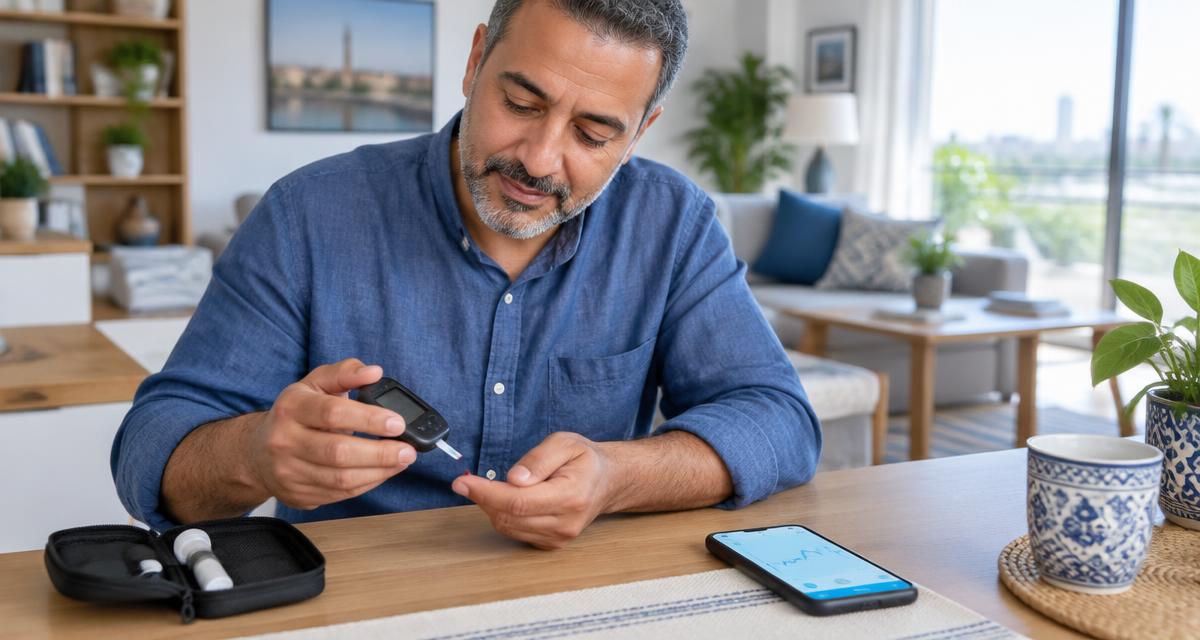
Consider an illustrative patient in his sixties, newly started on insulin. In week one a nurse visits to review injection technique and storage. Weekly calls follow for the first month, then monthly. Home sample collection is booked before each review, and any worrying foot finding is escalated the same day to the treating physician. This is a design example, not a reported case.
Speak with Hospitalia about nurse follow-up and home tests for your family member.
Talk to a care coordinatorFrequently asked questions
Can a nurse adjust my insulin dose?
No. Dose changes are made by your physician. The nurse supports technique, monitoring and communication with your doctor.
How often should HbA1c be checked?
Your doctor decides, commonly every three to six months depending on control. Home sample collection can make this easier.
Does Hospitalia offer diabetes follow-up at home?
Yes, through chronic disease home care, nursing visits and home lab collection, depending on location and scope.