Telemedicine in Egypt: What You Can — and Can't — Do in a Virtual Doctor Visit

Quick answer
A video call can handle more than many people think — and less than some hope. Here is a clear line between the two.
Telemedicine became familiar to many Egyptians during the pandemic, but it is still unclear to most people what a virtual visit can safely handle.
Good uses for a teleconsultation
- Follow-up of stable chronic conditions with recent readings.
- Reviewing lab or imaging results.
- Medication questions and side-effect discussions.
- Minor complaints where a physical exam is not essential.
- Post-discharge check-ins.
When you need to be seen in person
- Any emergency: chest pain, breathing difficulty, stroke signs, severe injury.
- Symptoms needing a physical examination, such as abdominal pain.
- New, unexplained or worsening symptoms.
- Procedures, injections or wound assessment.
The hybrid model: teleconsultation plus home visit
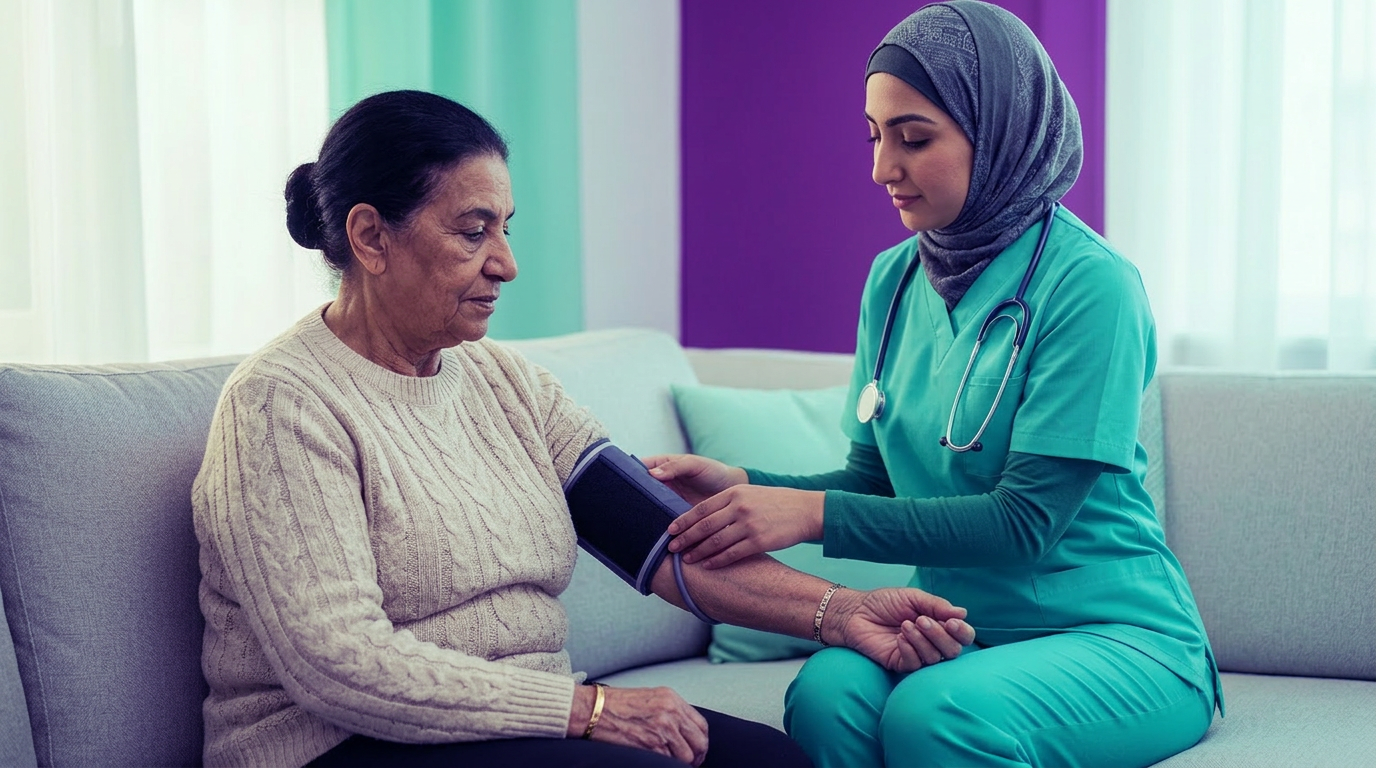
Combining a virtual doctor visit with a nurse at home closes much of the gap: the nurse measures vital signs, collects samples or examines a wound while the physician joins by video. This is the model Hospitalia uses for many home patients.
Regulation and privacy
Telemedicine practice in Egypt is subject to Ministry of Health and Population and Egyptian Medical Syndicate rules, and to the Personal Data Protection Law. Use providers who explain how your data is stored and who your doctor is.
Ask Hospitalia about doctor visits, teleconsultation and nurse support at home.
Contact HospitaliaFrequently asked questions
Can a doctor prescribe medicine online in Egypt?
Prescribing rules depend on the medicine and current regulation. Your doctor will advise whether an in-person visit is needed.
Is a video call as good as a clinic visit?
For suitable follow-ups it can be; for new or serious symptoms an in-person exam is safer.
Does Hospitalia offer teleconsultations?
Yes, as part of home care and digital health services, often combined with a nurse visit. Fees are confirmed when booking.