Physiotherapy at Home in Cairo: Pricing and How to Choose

Quick answer
A practical guide to home physiotherapy in Cairo — conditions suited to home treatment, session pricing ranges, the equipment therapists bring, and expected session counts.
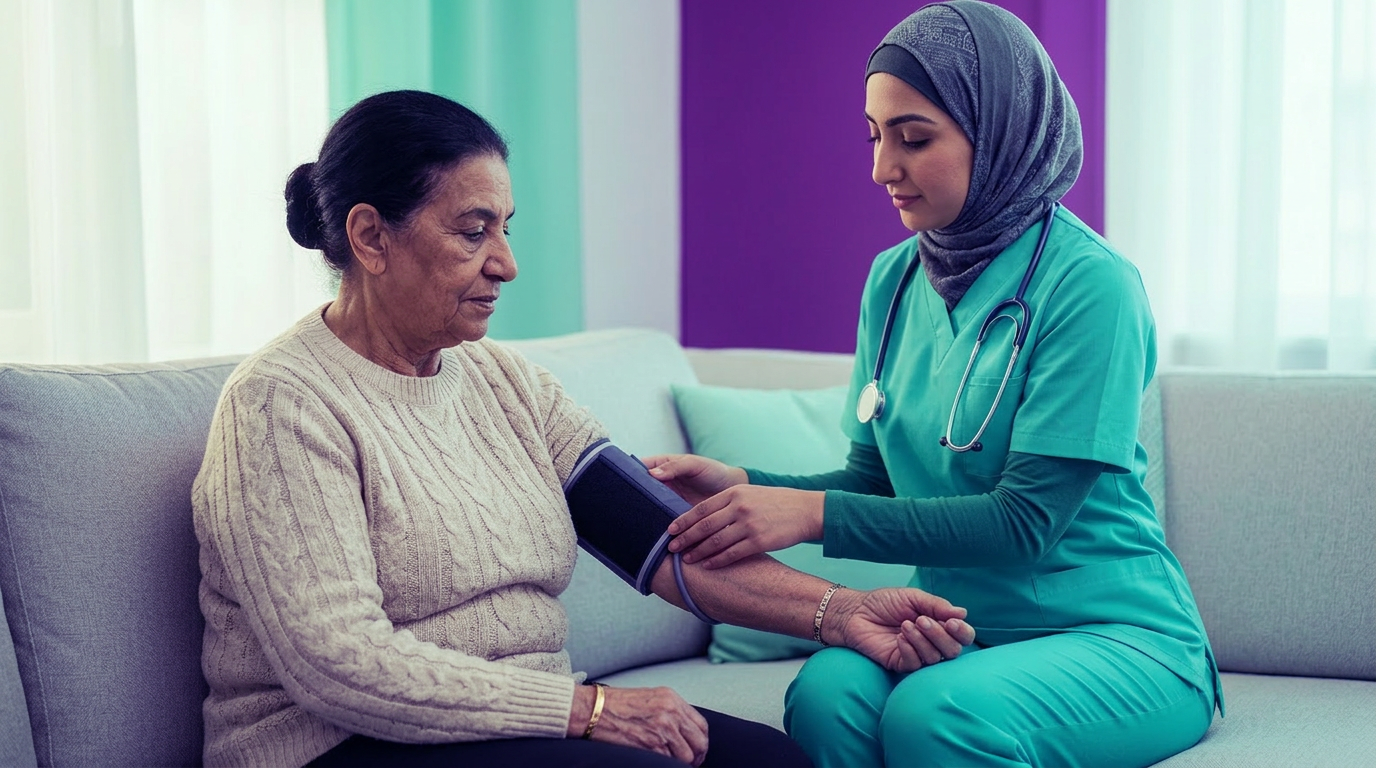
Rehabilitation depends on consistency more than anything else. Yet in Egypt the most common reason patients abandon physiotherapy is not cost alone — it is the journey, especially after surgery, after a stroke, or in later life. Home physiotherapy addresses exactly that: the therapist travels, and the session happens in the environment where the patient actually has to move.
Conditions commonly treated at home
Not every case suits home treatment, but a wide range can be managed safely outside a clinic provided there is a clear treatment plan and regular review:
- Post-operative recovery: knee and hip replacement, spinal surgery, and ACL reconstruction.
- Stroke rehabilitation: regaining motor control, gait training, and preventing joint stiffness.
- Orthopaedic injuries: fractures after cast removal, lower back pain, and shoulder injuries.
- Geriatric mobility and balance: strengthening programmes aimed at reducing fall risk and improving daily movement.
- Chronic neurological conditions such as Parkinson's and multiple sclerosis, focused on preserving function.
Home physiotherapy session pricing
Sessions are usually priced individually, with a discount when booked as a package. The figures below are indicative ranges to be replaced with Hospitalia's published rates.
| Session type | Approximate duration | Range (EGP) |
|---|---|---|
| Initial assessment | 45–60 minutes | 000–000 EGP |
| Single treatment session | 45–60 minutes | 000–000 EGP |
| 8-session package | About one month | 000–000 EGP |
| 12-session package (intensive rehab) | 4–6 weeks | 000–000 EGP |
The first assessment defines the rehabilitation plan and the likely number of sessions before you commit to any package.
Book NowWhat equipment the therapist brings
Home treatment does not mean manual exercise only. Therapists typically bring a portable kit matched to the case:
- Portable electrical stimulation units for pain relief or muscle activation.
- Therapeutic ultrasound for deeper tissue work where indicated.
- Resistance bands, straps and light weights for graded strengthening.
- Range-of-motion measurement tools so progress can be tracked objectively.
- Hot and cold packs, plus walking aids where needed.
Heavy equipment such as treadmill gait trainers or hydrotherapy pools remains clinic-only. A good therapist will say so at the first assessment if your case would benefit from it.
How many sessions will I need?
Session counts vary considerably with the condition, age, and how consistently home exercises are done between visits. The table shows common patterns, not promised outcomes.
| Condition | Common session count | Usual frequency |
|---|---|---|
| After knee replacement | 12–24 sessions | 2–3 per week |
| Stroke rehabilitation | Extended programme, reviewed periodically | 3–5 per week initially |
| Lower back pain | 6–12 sessions | Twice weekly |
| Geriatric balance training | 8–16 sessions | Twice weekly |
Hospitalia therapists work from a written plan with periodic progress reports for the family and the treating physician.
Book NowFrequently asked questions
How long is a home session?
Typically 45 to 60 minutes, covering warm-up, therapeutic exercise, manual work, and instruction on exercises the patient continues between visits.
Do I need a doctor's referral?
Not always, but a recent medical report or imaging helps the therapist build a more accurate plan — and becomes important for post-surgical and neurological cases.
Are evening appointments available?
Usually yes; evening slots are in high demand, particularly for working patients, and confirmation depends on therapist availability in your area.
Are results guaranteed?
No specific outcome can be guaranteed. Improvement depends on the condition, age, and adherence to the programme. What can be offered is a plan built on a clear assessment with regular progress review.
Can a wheelchair user be treated at home?
Yes — and these are often the cases best suited to home treatment, since travelling to a clinic is itself the main barrier. The therapist mainly needs a safe space and a firm surface for exercises.